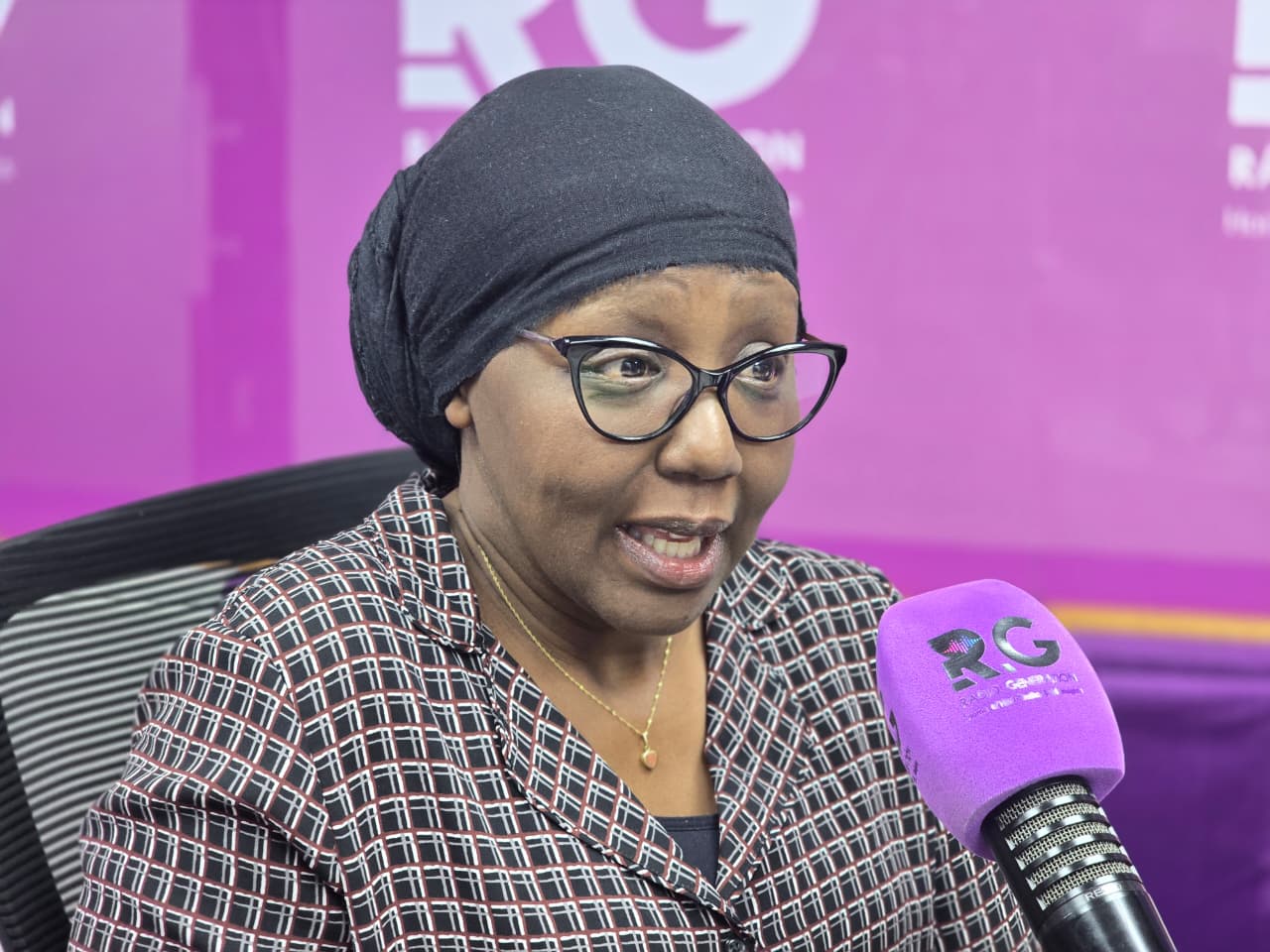
Founder and CEO of the Alzheimer’s and Dementia Organization Kenya (ADOK), Elizabeth Mutunga, has warned that dementia is increasingly affecting people due to isolation, illness, long-term medication, and trauma to the brain.
Speaking on Wednesday during an interview on Radio Generation, she explained the differences between Alzheimer’s and Parkinson’s, the dangers of loneliness, and the need for proper diagnosis before care begins.
She emphasized that Alzheimer’s and Parkinson’s affect the brain in different ways.
“With Alzheimer’s, you start forgetting, the memory is the first thing that goes away,” she said. She explained that individuals can still move around independently in the early stages, but they rapidly lose information, even conversations that happened only hours earlier. “Someone with Alzheimer’s will not remember my name, even though we met,” she said.
Parkinson’s, she noted, presents differently. “With Parkinson’s, it’s their movement that is affected. They start struggling to move around. Their body is very stiff. Their memory takes a little longer to go away,” she said.
Mutunga recalled attending a Parkinson’s support group and meeting people who still remembered her five years later, something she contrasted with Alzheimer’s patients who forget recent interactions entirely.
“The one thing you notice with Parkinson’s is the tremors,” she added.
Responding to a listener who asked about the phrase “first in, last out,” Mutunga explained how dementia affects memory.
“The information that was in last is the first to go,” she said. She offered a practical example: “If I have dementia and tomorrow you tell me, ‘We met you in our studio today,’ I’ll say I don’t know you.”
Mutunga also highlighted concerns about health conditions and long-term medication. She said some people living with HIV, cancer survivors and individuals on prolonged heart medication have shown signs of memory issues.
“People who have been on medication for a while somehow end up actually having dementia or forgetting,” she said.
She added that some people recovering from COVID-19 have also reported cognitive difficulties, saying many survivors observed changes in memory and mental clarity.
One listener shared his experience of COVID-19 isolation and intensive care, describing how being alone affected his mental alertness.
Mutunga agreed that isolation is a major risk factor. “Being alone is another risk factor for dementia. One of the things we say is, make sure you have people you talk to. You have a community around you,” she said.
She shared that her father, whom she cared for, was a loner and “rarely talked to anyone,” which she believes contributed to his decline. “Your memory is a muscle, if you don’t use it, you lose it,” she said.
Mutunga advised families on how to better support loved ones. “Do not argue with them,” she said. “If they say today is Tuesday, then it’s Tuesday.”
She noted that daily tasks like showering or brushing teeth often become major challenges. She encouraged caregivers to pause and try again with a new approach. “Take a break, walk away, give them five minutes, and come back with another strategy,” she said.
The CEO described the importance of allowing people with dementia to feel included in decisions.
Reflecting on caring for her father, she said, “I would have given him even 1,000 shillings and asked, ‘What can we do with this?’ so that when I came back with the shopping, he was not fighting me.”
Mutunga underscored that a proper diagnosis is critical. “Don’t just go to hospital and be told it’s dementia. Find out what type it is,” she said.
She noted that some conditions mimic dementia, such as vitamin B12 deficiency, thyroid issues and depression, and can be reversed once treated.
Looking to the future, Mutunga acknowledged emerging scientific research exploring ways to regrow neurons in damaged brains.
“This research hopes that diseases like dementia could one day be stopped where they are,” she said, calling it “a very good direction” for innovation.
Mutunga concluded by urging families to seek support early and build strong social connections as a protective measure against cognitive decline.































Comments
Sign in with Google to comment, reply, and like comments.
Continue with Google